Showing posts with label Tasting Notes. Show all posts

Thursday, 15 January 2015

Head to Head: Glenlivet Nadurras (16 Years Bourbon VS. NAS Oloroso, Cask Strength Distillery Bottlings)

    This article has been a little harder to write, typically I don't get a chance to taste compare one dram to another directly, but I've recently come across a pair of bottles allowing me to do just that.  What does Bruce Buffer always say before a fight?  "Ladies and Gentlemen, It's TIME!"  Fighting out of the amber corner, weighing in at 55.1% ABV, 16 years of age and haling from Ballindalloch, Scotland is Glenlivet Nadurra!  And to my right in the red corner, weighing in at a frightening 60.7% ABV with no age statement, also hailing from Ballindalloch, Scotland: Glenlivet Nadurra Oloroso.  This will be a fair fight, I expect no gouging, spitting or kicks below the belt.  Fighters toast glasses and return to your corners.

The stare down

    Okay. I'll admit that was just a little bit too much fun, but what we have here is a face to face (rather a bottle to bottle), challenge of the old long standing champion with his brave new young upstart looking to fill his shoes.  Those of you who know me well, will know that I'm a fairly hard critic on the industry giants, and that Glenlivet isn't one of my favourite distilleries either.  The Nadurra Original (herein referred to as Nadurra Bourbon, is actually from a circa 2011 bottling), turned out to be my favourite Glenlivet that I've had from the distillery lineup.  Nadurra is Gaelic for natural, a fitting description for this expression.  It took a lot of guts to put non-chillfiltered and no colour added right on their label and I admire that.  The new Nadurra (herein referred to as Nadurra Oloroso), has some very big shoes to fill.

     I will start with the chalk (the better's favourite to win), as there are a few major notations to be made on this bottling.  First up, there is no age statement made anywhere on the packaging.  Secondly, there is no mention of coloration made anywhere on the packaging (leading me to believe that it is actually assisted, albeit only slightly).  The only carry over from the initial product is that it does state 'no chill-filtration' was used in the final product; and then this is only listed on the box.  For reference, my bottle came from batch number OL0614.  Let's see what's in store for the challenger!

Colour: Rosy Gold (As there is no indication of colour added, it will be noted as likely coloured).

Body:  Medium to Thin body.  Tiny drops appear quickly and run quickly to the pool below.  This is a 60.7% NCF bottling, and the high proof is showing in the glass!

Nose:  Tomato puree (cooked), and harsh grape distillate.  Sharp notes of alcohol sting the nose, and are redeemed with sweet malt notes.  Very rich and creamy, like malt porridge with dried apricots cut into it.  Dates and deep licorice notes towards the bottom with hints of fresh oak sawdust as it settles.  It seems very young on the nose (maybe 6-8 years-ish).  With the addition of water, the nose swims into cream of tomato soup and some hints of something sour I can't put my finger on.  The wood notes go crazy, everything from fresh cut lumber to astringent wood spices (mace and cassia).

Palate:  The first note you'll notices is all 60.7 percentiles of alcohol.  White hot alcohol bite and sharp young malt.  By the third sip, your mouth has been anaesthetized, and you begin to taste the intense creaminess of the malt.  There is still an acrid grape distillate note lurking ion the mid-palate, but it's being covered by cinnamon, cloves, mace and some very sherry wine-y notes.  Dense cocoa powder, and intensely sharp wood notes with a smattering of butyric acid (See: buytric acid: "the main distinctive smell of, human vomit").  The tomato note returns, but this time it's followed with harsh aluminum notes (like tomato sauce cooked in an aluminum pot).  With water, it becomes far more palatable.  Creamy malt and wood spice swim into Christmas cake, but there is still a heavy licorice and sawdust note in the background (neither being sweet, but rather drying and sharp).  More water dulls the creaminess and brings the wood spice forefront, like it had been over wooded.

Finish:  This is where the heat came full force!  Blinding white pepper heat and hard oak spices abound.  Slight notes of herbal vanilla and a pinch of tar,  The licorice finally settles down into the really good quality soft Australian black licorice (it's an acquired taste no less), and a dollop of quality marmalade.  With water, though the finish was super spicy.  Astringent oak and road tar with hints of dried/burnt orange peel.

Empty Glass:  Dried out Oloroso wood. Earl Grey tea dregs (rich black tea with a speckling of Bergamot), and more dried orange peel.  Fennel seed and rough oak sawdust (like the stuff that comes from the bark, not the wood itself).


    Next up, the current reigning champ of the Glenlvet stables - Nadurra Bourbon.  This bottle has quite a lot more going for it.  It specifies and age (16 years), and that there is no colour added and no chill filtration has been used to bottle the product.  The selection I'm using is from a 2011 bottling, just before the label change to the green/white bottles that you see now (Batch No. 0309H for those that need the specifics).

Colour:  Bright Gold.  No colour has been added to the bottling.

Body:  Medium.  Drops, small, form slowly and run at an average rate to the pool below.  This has some serious body in comparison!  No chill filtration was used to remove the natural oils, and it shows!

Nose:  Sweet vanilla cream, almost to the point of vanilla pudding.  Rich malt, and some hints of Orange Julius (See: Orange Julius, it's a very sweet and creamy orange drink).  Subtle almond syrup, and earwax notes appear (that's a good bourbon cask note; think walnut skins).  There's actually a sweet tequila note, if there was no sour body in Tequila.  Baked apple and rich floral notes abound!  Little white flowers and an almost buttery pastry note.  There is still a light butyric acid note, but it is very muted in this dram and actually seems constructive to the malt.  With water, the floral notes die down and the vanilla pudding rushes forward.  Oiled wood and rich toasted pecans seem to dominate the nose now.


Palate:  Sweet heat and cream come rushing in, hints of walnut skin and malt syrup.  The same sort of creamy malt porridge with a tiny bit of apricot, and some straw notes also appear.  The heat almost dries out your math, causing to to water.  It's both strong and gentle at the same time.  Ginger snaps and a subtle coal tar note in the back ground.  With water the palate becomes rich oily vanilla and dried figs.  The walnut skins dull a bit into that familiar earwax note and the dried apricot comes forward again.  Still very creamy, the bite is reduced a bit and some background floral notes begin to appear.

Finish:  Drying and spicy!  Spice oak wood and cinnamon.  Hints of cocoa and rich vanilla swirl, with faint hints of almond and mint.  With water the almond comes forward and turns a bit bitter, but it doesn't detract from the finish.  The oily vanilla is cut back a bit and the mint note starts to come forward.

Empty Glass:  There's a tarry note still and some very malty oak notes.  Herbal notes with a hint of butyric acid (albeit slight), begin to appear.  Super lush and soft sawdust notes with a twinge of rubber erasers.


      If it's not immediately apparent, there is a clear winner.  I haven't had much luck with NAS whisky (No Age Statement), and this is no exception!  The youthful spirit shines through in the Nadurra Oloroso, and there are some things I'm not too crazy over that really stick out (IE: butyric acid, tar, and poor acrid grape distillate).  On the flip side, the 16 year old Nadurra Bourbon is a richly complex and fantastic dram, one of the better Glenlivet whiskies that have been bottled by the distillery.  Some may say I started this tasting with a bias, but I think the Nadurra Bourbon is absolutely fantastic.  The Nadurra Oloroso is a finicky monster; it was okay at full strength but needed taming, on the other hand adding water didn't help the situation.  The youthful age really signed the writ, it seems they might not have aged it long enough and/or opted for poorer quality Oloroso wood for the cask.

     I'd urge you to taste either before you buy anything, as Glenlivet has a very characteristic taste that I've never grown fond of, Butaryic acid.  It's a rather unpleasant note that doesn't disappear in the distillery bottling range until you get into the 18-21 year olds, and the younger the spirit, the more prevalent it is.  My choice was fairly clear, but I'm always open to having my mind changed and my palate tested.  Until next time dram mates, keep your stick on the ice and the puck out of the net... no wait, the ice out of your glass!

Friday, 12 September 2014

Tasting Notes: Macallan 1997 (Duncan Taylor, Octave Cask #721315, 13 Years Old, 53.4% ABV)

    I've made it back to the interweb again with another interesting bottle!  This post's dram review comes from a trip to Las Vegas with some good friends of mine; hopefully you'll find it as interesting as I did! We had a great time in Sin City and I had plenty of chances to peruse bars on the strip, finding a few bottles that really peaked my interest; some of which I actually got to sit and write about.

     In one such bar, my friend and I stumbled upon an intriguing bottle of Macallan (not literally!). I'm a sucker for a Macallan (thanks impart to my dad), but I've been burned in the last couple of years with the introduction of the new Macallan NAS lineup (that's a different post).  I thought it was worth the gamble as it was an independent bottling by Duncan Taylor.

     Duncan Taylor bottles a range of single malts under a varied group of labels in addition to The Octave, and one of the more prominent is the Dimensions line (especially for Ontarians, as we don't see many other Duncan Taylor's in our stores).  One of the best Dimensions bottles we've had in the LCBO was the cask strength Balblair that came in a few years ago (and boy, was it a good one!).  We also saw a line up of 46% ABV Dimensions bottles featuring Glen Moray, Glen Elgin, Glenlossie, Macduff and Royal Brackla; I might still have my notes somewhere about some of these so watch out for further reflective posts.

     Distractions aside, The Octave selections are matured in the typical hogshead/butt oak barrels for the majority of their life, then selected and finished by placing them into the much smaller octave barrels (so small that they typically yield only 60-90 bottles per octave).  This imparts a more wood onto less whisky; in a sense, sort of speeding the aging process up.  Of course, as a Duncan Taylor bottling, there is no additional colour or chill-filtration.  This allows us whisky nerds to lift the skirts of said distillery and really see what's behind their product line.

  The Macallan Octave bottle I tried derives from Cask #721315 and hails in at a whacking 53.4% ABV.  Finished in a sherry octave, the dram almost called to me from the other side of the bar (with such a striking label, who wouldn't be interested!?).  This particular bottling yielded only 71 bottles and was destined for the USA.  At only 13 years old, and ever leery, I took my chances and rolled the dice.

Colour: Light gold with a subtle reddy-brown hint to the spirit.

Body: Rich and oily, surprisingly thick.  The roll shows a thick cling, and tiny drops  The legs, though, take forever to get back to the glass.  This is really looking up!

Nose:  Wow!  First thing you'll note are nuts!  Tonnes of roasted nuts backed up by wonderfully sweet vanilla notes.  This is a very Macallan dram!  The wonderfully light floral notes from the bourbon cask poke through and cut the sweet nutty goodness.  As it settles in, more hints of wood appear, adding another layer of depth to the already swimming nose.  Cinnamon and cloves intersperse with white wildflowers and drops of vanilla cream.  In the far background white pepper sharpness and a starchy note that piques my interest.

Palate:  We're in for a ride: the bar is down, there are no stops, the train is leaving the station (at only 13 years I'm expecting this could be a bumpy ride, especially with my recent luck with Macallan).  There is a galloping chariot of heat at the front, searing white pepper and sun burnt oak spices.  It's a little brash, but instantly it relaxes with more roasted almond and sweet pecans coming through the dram.  As it rolls about in the mouth, I'm getting more sweet roasted corn (even corn nuts), and hints of dried cherry.  The oily palate really suits the dram well, coating the mouth like syrup.  Interspersed in the background are slight notes of acidic char and rich soft wood spice (cardamom and mace, like a spice cake).

Finish:  In the finish, the heat has subsided and reveals a thick layer of butter cream and pound cake.  Loads of vanilla pods rolled in pepper with hints of dry oak spices.  It's surprisingly long, and draws out so nicely with vanilla creme supporting the whole cast.

Empty Glass:  Wood abounds, but is broken up by spiced pecans (a warm memory of sothern tradition).  There is a definite oak spice harshness but the sweet nuttiness of the dram counters it nicely.

     I bet large and Vegas paid out with a wonderful Macallan that I've been longing for!  The NAS line did very little to bolster the Macallan name, and running out of well aged stock has pushed their limits of both production and quality.  The quality is still there in the base spirit, but they will need to do as Duncan Taylor did: relax and hold onto some of these casks until they are actually ready to be bottled.  This dram is proof that quality whisky is out there still, but finding them is now even more of a challenge with so many 'investors' snapping up anything with a recognizable name on it.  Keep your stick on the ice and the ice out of your glass and next time I'll see what else I can drum up.

                                                                                 Roscoe (ScotchGuyTO)


Sunday, 10 August 2014

Tasting Notes: Clynelish 1990 (Dun Bheagan, 22 Years Old, Port Hogshead Finished, 46% ABV)

    Well dram-mates, It would seem it's time for an update on tasting notes.  I recently hit up a local LCBO to my neighbourhood and found a tasty treat that I've been hunting for a while.  A few weeks back the LCBO released a varied group of products, including a few new bottles of Scotch, one of which is a 22 year old Clynelish.  Hailing form the Highlands region, this distillery is a favourite of many whisky buffs, and its sister distillery, Brora, is one of the most highly collected, and overpriced, whiskies on the market at this time.  The distillery features a somewhat fruitier malt, with subtle (sometimes), hints of coastal  or waxy notes to it.  As such, it's usually on my list of distilleries for hunting out reasonably-priced bottles.

  This bottling is brought to us by Dun Bheagan (pronounced done vey-gan; like the name Megan).  It was distilled December 1990 and bottled in mid 2013.  It's comprised of 2 casks (#93781 & 93783), which are cobbled together to form Port hogsheads.  Served without the 'aid' of chill-filtration or the addition of artificial colour, this is right up a whisky buff's alley.  However intriguing, at $220.95 [SKU #371013], my whisky-spider sense was tingling and warning me Caveat Emptor.  I typically shy away from expensive bottles at the LCBO  for two reasons: one - they are are not worthy of the high price tag, and two - they typically have little to no information provided about them to make a good judgment call.  So instead of buying an expensive, but intriguing bottle, I waited until one came up for tasting.  Sure enough I found one; and below are my notes.

Dun Bheagan Clynelish 22 Years (Port Hogshead, NCA, NCF, 46% ABV):

Colour: Bright rose gold; no colour added.

Body: Medium but oily, no chill-filtration. Upon first roll of the glass, the drops almost don't seem to want to form.  They do eventually and the legs slowly run (looks like a whack of flavour).


Nose: First crack at the bat, heavy fruits!  Rich red fruits, like overripe strawberry and hints of overripe cherry, with a dash of plums thrown in for good measure.  This sort of dwindles out into some more stone fruits (apricot, peach and the like). That was a little weird; Clynelish isn't usually this type of fruity.  Rotten peaches and old oak, like sun baked picnic tables.  Hints of moss and black pepper wash into some farm-y notes (that's manure, straw and livestock... things that smell bad in your home actually taste quite good in whisky). As it settles out, the farminess becomes stronger, but not to the level of a typical Clynelish; it's still overshadowed by the macerated red fruits.

Palate: Wow! A wallop in the tongue of sharp oak!  Black pepper follows up with its crew of wood spices (cardamon, and cassia).  After the invasion of wood power, the malt slowly comes out from under the shadow.  Malty notes mingled with nectarines (not sweet, just the smell), and far off in the background is a hint of brine.  There is surprisingly little sweetness in this dram - given time it does come forth.  The complaint is that the tannin/wine in the finish wood are far overpowering the soft and delicate malt notes that you should expect in a 22 year old whisky.

Finish: The wood spice continues to stomp all over the finish.  Harsh oak tannin and sharp cassia (Cinnamon's hotter/rougher cousin - think Cinnabon cinnamon), some twinged notes of vanilla extract (the good 35% ABV stuff; which isn't that pleasant to drink but wonderful to nose), and some strawberry cream.  As it dissolves, the malty notes and more red fruit comes through but never enough to save the dram.

Empty Glass:  Lots of wood here (this is where you can usually get a sense of the casks used in the whisky).  There is a huge offering of wood spice (again), both old wood and new, much younger wood.  There is also a dry wine note; not even the red fruity note from before.  Once again, the tannins come through quite strongly.


   Adding water brings more stewed fruits to the nose, and nectarines (still not sweet nectarines though).  It takes even more settling out to get to the malt behind the finish.  When the coastal nature starts to come forth, it does so in spades.  More hints of brine and sweet malt appear, and the farmy notes seems to become more readily available.  The palate, however, suffers with the addition of water; becoming somewhat sweeter with the fruity malt playing lead.  That tannic note showed up again and lead to a bitter finish.
  
    All in all, it's not a bad dram, but there are a few caveats to this.  My suspicion is that it was over-wooded in the original casks, and this has been subdued with the Port finish.  Although this Port finish may have helped the original over-wooding, it overwhelms the old malt, taking over the soft and subtle notes with a brash red fruit wash.  It's sort of a shame; but not completely undrinkable.  Overall, I would have guessed this was a 12-15 year old port finish Clynelish, not a 22.  Seeing as it is overpriced to begin with as a 22 year old, it is even more-so when you're not experiencing the full age benefit. There is a wonderful Clynelish under there, its just buried.

     In conclusion, this bottle doesn't make the grade and will not join my collection, but it was worth the taste.  Remember that whisky tasting is a subjective thing, and you may enjoy this heavily wooded dram more than I did.  Try it if you can, but skip the purchase until you have; there are many more worthy bottles out there to spend your hard earned money on.  Keep you stick on the ice, and the ice out of your glass.

                                                          Roscoe (ScotchGuyTO)

Tuesday, 30 October 2012

Sullivans Cove Single Cask (Bourbon Maturation)

 So for this next post, I've finally got our Whisky Society (The Westside Whisky Society), into this and have been gifted a post from Tom.  He can be found <HERE> on twitter.  Hopefully there will be further posts from all our members.  I will be collaborating further to include local places, and far off spaces, more bottle reviews and who knows what else.  We'll see as the blog comes together further.  Keep an eye on our page and we'll keep you updated.


Sullivans Cove Bourbon Maturation
Single Malt (Single Cask) - Barrel No. HH0602, Bottle No. 152 of 222. Barrelled Feb 21 2001; Bottled Sept 10 2009 (8 years old)
60% ABV
www.sullivanscovewhisky.com

On a recent trip to Calgary, I paid a visit to Kensington Wine Market and found this Australian whisky, which I had heard so much about and have always wanted to try. Sullivans Cove is the brand of whiskies produced by the Tasmania Distillery, which was founded at Sullivans Cove in 1994. Their whiskies (which also include a port maturation single cask and a bourbon & port maturation double cask) have been winning a lot of awards - this particular expression won the 12 Years & Under sub-category in the Best Rest Of The World Single Malt category at the 2011 World Whiskies Awards. Unfortunately, I don’t believe any Tasmania Distillery whiskies are available at the LCBO. The bottle comes with a page of literature describing the history of the distillery and the awards and characteristics of their whiskies. It is non-coloured and non-chill-filtered.

I poured it for our whisky society and I think, of all of us, I was the one who liked it the least. Its colour is pale gold with yellow highlights; the legs are very small and still, as befits a 60%er.
The nose hits you with paint thinner, strong robust malt, tropical fruits such as papaya and under-ripe banana, some mint and oregano, dry hay, a very light caramel and a hint of smoke (although the malt is unpeated). Very complex nose but also a little bit all over the place. One would expect a little water to tame the alcohol - but clearly, I didn’t pour enough.

We are brought back to that chemical taste when we drink, hinted at by the paint thinner on the nose, coming off of that wave of alcohol. Lots of malt in the mouth here, and has a decidedly fermented flavour to it, which I find a little off-putting (but others may not). There is some caramel but it’s overpowered by that feinty alcohol note. Water gives it a little creamier mouthfeel and brings out some of those tropical fruit elements. Much like the nose, the palate is also very complex but all the elements seems to fight with each other. A few drops of water certainly help balance things out

The finish is not overpowering, and sits for quite some time, sweet and sharp. This is a fascinating whisky, with a lot going on, but the entire things seems rather off-balance. It feels rough, young, fresh, exciting and wild (aren’t those typical Australian characteristics, generally speaking?), and as I continue nosing and tasting, I find it never ceases to be interesting - yet also almost tiring as there is so much clashing together. It’s like a frenemy who, though entertaining and interesting, also gets a little annoying after awhile. Jim Murray echoes this sentiment in the 2012 Whisky Bible; he reviews the same cask, rating it an 81. He suggests placing the glass in hot water for five minutes to burn off the higher alcohols, and rates that five or six points higher...interesting. Maybe I’ll try that. Or maybe I won’t bother. I’m lazy. But anyway, love it or hate it, it’s a Tasmanian devil.

Wednesday, 24 October 2012

LCBO Vintages Release for Sept 29/2012

    So the final posting of September… in October (yeah I procrastinated a bit…or a lot; so shoot me!).  It’s been a hell of a month, and I’ve been kept busy with work (ugh!), and some other whisky related things like WhiskyLive.  As a side note I promise I will work extra hard to finish out October shortly after as there are quite  a few interesting bottles coming.  This update has been a hard one as there are three bottles, one of which is a complete mystery to me… and the internet as it would seem.  Without further heel-dragging, lets take a look at the offerings.  So this round not a pair; but a trio of bottles arrives for our savouring pleasure.  What did the LCBO provide us with round?  Big heavy malts this time around, and a newcomer to the shelves.

First up, Isle of Arran Sleeping Warrior.  This 11 year old single malt comes at us full strength (54.9% ABV).  As part of a limited production (6000 bottles worldwide), a portion of the sales went to support the National Trust for Scotland to assist withe the preservation of foot paths on Goatfell (the largest mountain on Arran).  This is a big bottle from Arran, with big notes to follow.  Rich marmalade and milk chocolate on the nose, lots of fruit preserves, very sweet like a fruit salad sort of thing happening here (oh yeah, imagine that image of melted milk chocolate over fruit salad…. splash a little cream liqueur in there… I’d be lying if I didn’t say I was hungry).  Hints of oak and spices in the background round out a real whopper of a nose.  In the mouth there are more dried/macerated fruits, but now the malty sweetness comes out.  Lots of things happening here including cherries (overripe), leather, sweet grains and subtle oaky spices.  There is a subtle waft of wood smoke and caramel in background along with hints of candied ginger and vanilla cremes.  The finish is quite long and spicy.  Lots of malty notes with dried fruits and spiced caramel interspersed.  Water helps smooth things out, but drops the nose’s intensity a bit from the raging torrent that I like.  This is one heck of a dram at a reasonable price.  I strongly suggest trying this out as it gives an idea of why I’m so crazy for the Arran whiskies.  Check your local LCBO <HERE> for your bottle.  Priced at only $99.95 for a bottle of this calibre at this strength, is a darn good deal that just won’t last.


    Next up is another brilliant bottling from the indie company Weymss.  Not only a bottling from an excellent indie, but of my favourite distillery; Mortlach.  This is a Diageo owned distillery (and you know how I feel about Diageo), that produces nothing for public offering, but instead goes to make up the backbone of the Johnnie Walker blends.  It does from time to time, however, show up in the hands of indie bottlers.  This gives you the chance to delve into a little known distillery outside of the blends it is used within.  This bottle is a 21 year old, nicknamed Sugar & Spice, which lives up to all the reasons I rave about Mortlach.  Served at 46% ABV and presented without chill filtration or colouring, this is one of the best Mortlach’s to come through the LCBO in years (IMO).  The nose is heady with exactly what the name says; sugar (like brown sugar or Demerara), and spices (cinnamon, cloves, nutmeg, cardamom, grains of paradise and the like), permeate the nose.  But buried deep behind this lovely warm and spicy nose is a brooding beast.  Rich, chewy and meaty/malty notes that are the cornerstones of Mortlach’s spirit lurk in the shadows.  In the mouth a full on Christmas cake assault!  Beautiful spice blends with subtle molasses and brown cane sugar sweetness bloom, followed with baked almonds and subtle sherry-ish fruit notes (kind of red-y purple sherry soaked fruits), and hints of malted barley hang about.  Then underneath it all; driving the palate is the chewy fresh and sweet malt of Mortlach.  There is a cooked tomato puree note mingling about, and also a bit of a wine-y note that becomes almost meaty like bison or venison (but not gamy venison).  Oh god, this is good.  The finish is long and drawn out, carried by the meaty malt, the spices and oak interplay here with caramel, vanilla and Demerara notes.  The empty glass still shows that big sweet malt now subdued with oak and vanilla cake.  I am head over heels for this bottle, the only unfortunate part is the LCBO price, at $155/bottle I would have liked to see a bit more ABV scale.  Considering this is one of the best bottles in recent my recent memory from the LCBO, I’ll let it slide and I might even come away with a bottle.  I don’t think its a purchase for everyone at that price, but trust me if you do indulge…. well you’ll know why I’m so crazy (over the whisky, not losing my marbles crazy… although).  Check your local LCBO <HERE>, or have them order you a bottle in as there aren’t many in the province.

Last but not least is the one I’ve had so much trouble with.  This bottle has been the hold out for this article.  The last bottle is from Leinburn (also referred to as Glen Leinburn), 12 year old.  The reason I’ve had so much trouble with this is the lack of information available on it.  Quite a few months back I noted a Glen Leinburn 18 year old bottle on the shelf for $85 (Item <HERE>), served at only 40% ABV.  Hey at $85 for an 18 year old (stop snickering while reading that), ‘how bad can it be?’ was my general sentiment.  Looking at the bottle there is no information on it and no real annotations; other than a pretty plain navy blue label with some awful brownish-gold writing.  It peaked my interest as I’ve never seen it before, so when the chance to try it came up, I leaped and immediately went looking for more information.  This is where the trail goes cold, even in the vast sea of electronic information the only thing I find is a repeated phase from the website.  A paltry website featuring a single page; notes that this is a Speyside distillery that was started by Whiskynet in 1998.  It has evolved into a supplier of whisky to a number of customers worldwide for use under their labels as well as their own.  That’s it, that’s all.  I’ve called about and scoured the interweb for more information, but I see nothing and have gotten nothing back from my sources other than more questions.  So I’ll let you in on what I did try; a rich and manly Speyside with a real sharp fruit character.  The nose shows caramel, rhubarb compote and some sharp pear candy notes.  I also get some wood spice, rough leather and very distant peat.  In the mouth, there is some heft with a blast of heat in the palate, but I’m not getting what the nose showed me here.  It seems much fruitier than before, and the heft seems to have dissipated into heat.  Lots of notes of cream liqueur and some floral fruity notes, but nothing that is easy to distinguish.  This seems like a young whisky to me, the notes are unrefined and hard to pinpoint in the glass.  The finish shows it the most tough.  I found it medium to short, lots of hot oak, dry vanilla and spice in the finish.  With water, the fruits balance the heat out and it becomes far more palatable.  I’m not too sure what to make of this bottle, and it doesn’t seem to fit with what’s on the shelves.  I have tried the 18 too, and am almost in the same quandary over that.  I have some notes on the 18 that I’ll dig up and post.. but the 12 year old has me confounded.  There just isn’t enough for me to suggest anything other than to try it if you get the chance.  Served at 43% ABV, and to my eye there is caramel and chill filtration happening (you’ll have to be the judge as most of my insiders haven’t even heard of this company, let alone bottling information).  Check your local LCBO <HERE> for your bottle, but be forewarned.  The 18 year old is still widely available and is $5 cheaper, but 3% lighter.  I recall it being rather floral on the nose, but like I said earlier I’ll have to dig up my notes and be sure before I recommend that instead.

Okay, well that finally concludes this, or rather last, month’s reviews.  Now on to October and so much more.  I’ll try and dig around on that Leinburn as it now is really eating away at me to get to the bottom of it.  So as always I conclude; keep your stick on the ice and the ice out of your glass.

Sunday, 19 August 2012

LCBO Vintages Release for August 2012

Back once again, with more whisky in tow.  This month has a rather short list of bottles coming in to the LCBO, but there are a few interesting items (some good, some not so good) that are on the shelves that will get posted in a separate review.  So without further adieu, let's get down to brass tacks.

August 04/2012 Release:

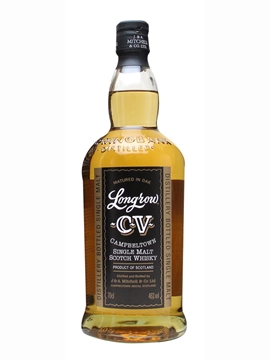
Well this is more of a 'we had nothing new to get out yet, so here is something we found on ours shelves' release.  The LCBO proudly re-releases Longrow CV.  This is a heavily peated version of Springbank's distillate (we're not talking Islay smokey heavy here folks, more like manageable amounts of peat).  Springbank Distillery has a very fond place in my heart as they are one of the few distilleries that still do it all by hand.  I mean all of it: there are no computers, no complex machinery in the production line, and nothing to get between you and the final spirit.  Longrow came about as an experiment in making an Islay style whisky on the mainland.  It was so successful that by 1992 the distillation became a regular part of the Springbank family, and adopted the now silent distillery name of Longrow (c. 1824).  The double distillation process used is true to it's name and the distillery itself is a true relic, resurrected from the ashes of many years of neglect.  Now, it might seem a little worrisome in regards to quality control issues to not have any machinery or intense scrutiny of the distillate, however there is actually very intense scrutiny, from the senior production staff.  They are quite frequently nosing and tasting the distillate to monitor the quality and changes.  Think of it this way: this is based on an agricultural product which will change with the seasons, ambient conditions and even the soil quality it's grown in.  This makes it a challenge to continually make the same flavour profile, which requires blending single malts into a 'super-malt'... I'm looking in your direction Macallan & Glenfiddich.  It's not the the quality that changes (in fact Springbank is one of the best quality whiskies on the market IMO), in fact the spirit itself changes ever so slightly.  Batch variations are the subtle differences that make it so good.  It shows that if Joe on the production line cuts the tails coming into the spirit safe a little early on one day to catch a football match, and later then next day to avoid cutting early 2 days in a row, the changes in the final product produce subtle variances.  That aside, this is a great whisky and an excellent intro to Campbeltown region whiskies  (there's only about 4 of them... Hazelburn, Springbank & Longrow in one distillery and Glen Scotia being the other).  The CV variation (curriculum vitae), is exactly that:  a resumé of sorts showcasing what Longrow is all about in a single bottle.  It's a blend of Longrow finished in a variation of casks (including Port, Sherry, Bourbon and Rum), giving this malt a fantastic creamy nose and slow developing peat.  On the nose you'll find things like vanilla marshmallows, subtle wood fires, heather, sweet spice cake, minerals chalk or ground limestone, subtle brine and hints of medicinal iodine, with peat being ever present throughout.  In the mouth, spice and peat right upfront.  Notes of dried tobacco, candied lemon peel, smoked fish, sweet grains and vanilla (like oatmeal and vanilla pudding together), dried cocoa powder (the regular, not dutch process... which is less acidic) and sweet oak.  The finish is long and slow, bringing waves of peat, limestone, brine, oak and caramel all over the place.  It seems sort of unorganized but also incredibly complex akin to a brilliant scientist's notebook.  There are notes in the margins, notes written in other languages, newspaper articles glued in, pictures stapled onto pages and such.  In the whole sense of things it seems like a notebook of random jottings, but really it's a window into the scientist's head and their inner workings.  This is a great starter to get into the peats, and also into Springbank's large collection of malts.  This comes highly recommended, and at only $82.95/bottle for a unchillfiltered, no colour added premium mega-blend.... this is a great deal.  Check your local LBCO <HERE> for your bottle today.

August 18/2012 Release:

Up next is... wait, what?  You thought there was more?  No, sadly that's all they gave us that round, and only another single bottle for  this round too.  Isle of Arran Amarone Cask Finish makes a glorious re-appearance at the LCBO for this release.  This beautiful pink whisky (like seriously Rosé pink), is a fragrant and richly finished Arran whisky.  Jim Murray called it 'pehaps the best Arran nose of all time' (which is the Madeira finished CS IMO), and awarded it a 96.  Jim Murray is an over-reference whisky writer in my opinion.  He has both a great nose and palate, but just because he's toted as the next Michael Jackson doesn't make his word law (Editor's note:  expressions are my personal opinion so feel free to take this with a grain or three of salt; especially should you actually be Jim Murray).  That being said, I do love the Arran malts and I really love this finish!  This one is a trifecta of excellence: Served at 50% ABV (this is an old school drinkers preference referred to as The Golden Strength by die hard Scotch fanatics), 100% natural colour, and no chill filtration takes place on any Arran malts (See ref: HERE).  These are the things that get me excited (yeah, as I write that I realize my life may need more excitement), and get my mouth watering.  In the glass, it's a gorgeous pink colour.  On the nose the whisky is quite subtle to start.  Notes of rose petals, toasted almond cakes, sweet chewy candies, chocolate covered orange peel, hints of subtle floral notes, cranberry, dark cocoa and dried cherries all intermix creating a fantastic breath.  Then you put it in your mouth.  Holy!  This goes from soft an subtle to incredibly complex and deep.  This list here is long: Turkish delight candy, dark chocolate covered cherries, toasted almonds, cooked fruits, honeydew melon, brine, butterscotch like a salted caramel, dark plums (very ripe and fruity), a dash of cinnamon and a twist of nutmeg make for something other-worldly in the mouth.  The finish is medium in length, but rich and rewarding.  The cooked fruit, almond and cherry, and brine go on and mix with worked oak, subtle wood smoke and more dark fruits but also don't detract from the whisky at the same time.  Great balance, great body and flavour and a great bottle.  Check you local LCBO <HERE> soon as these don't last long once someone has tried it.  Even at $77/bottle this is a great buy.

So there we go, 2 bottles re-released, and what great bottles at that!  I strongly suggest that you look into one or both of them should you be interested in trying real artisan made whisky.  The 2 distilleries mentioned above are 2 of just a handful that make astonishingly good spirits among the many that are controlled by the beverage giants.  So as usual I wish you happy dramming, and as always: Keep your stick on the ice, and the ice out of our glass.

Monday, 5 March 2012

ScotchBlog.ca Tasting Event @ Quinn's - January 28th/2012

This past January, I was invited as a reader and good friend to the ScotchBlog.ca group to join a tasting party held at Quinn's steakhouse.  Not willing to miss the chance at having 6 tastings for under $24, I jumped at the occasion.

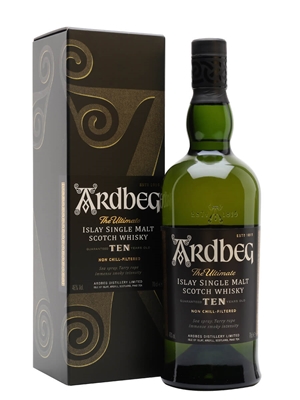
2 flights were offered - First up was the aptly named "Smoke Ladder". We moved from lightly smokey up to full on roaring bonfires of peat with Longrow CV, Jura Superstition, and finally Ardbeg 10.  All drams were accompanied by a chef approved item to accent the natural flavours within the Scotch.  I chose to jot notes about the 2 that I don't have in my collection, Longrow CV and Ardbeg 10.

Longrow CV:

  • Colour:  Very light straw, slight hints of orange/gold in the highlights.

  • Body:  Thin and light, medium drops form; legs run at a medium rate.

  • Nose:   Soft notes of heather, peat and vanilla cream.  Accents of spice cake and sweet barley.

  • Palate: Spicy wood smoke, Hints of peat and candied lemon peel.  Vanilla highlights.

  • Finish:  Short.  Hints of wood smoke and grainy sweets permeate. Herbal vanilla notes, and rubbed/worked oak.

  • Empty Glass:  Here the barley grain and peat show up!  Roasted oats with honey, salty brine (just a hint like movie theatre popcorn).

  • Paired with an chocolate bon-bon (orange creme centre), making this an excellent after dinner treat.

Ardbeg 10 Year Old:

  • Colour:  Very light, in fact surprisingly so!  Certainly doesn't look like any colour added.  I'll call it sun bleached straw.

  • Body: Medium, and slightly oily.  Medium sized drops; legs run slowly.  Hints at lots of flavour here, but you should know that already (you can smell the peaty fires from 3 feet away!).

  • Nose:  Peat (duh!), lots of peaty fires.  Coffee grounds, fruity notes. Licorice, and dark chocolate. Real mint (like in a muddled drink)

  • Palate:  Spice and smoke dominate.  Ashes mix with strong quality coffee fruitiness (not that Starbucks crap; real barista pulled stuff in a place where they care what coffee tastes like!).  Chocolate notes and hints of toffee in the background.

  • Finish:  Sharp and biting.  Dry smoke and espresso.  Hints of sour peat permeate the finish.

  • Empty Glass:  Smoke galore! Wood smoke, campfires, ashes and peat!  No actual notes of the oak here, the smokiness sort of takes over.

  • This was served with smoked salmon on Irish soda bread.  Excellent pairing with all that smoke, almost overwhelmed the fish.

So the reasoning behind the smoke ladder was to be able to allow ourselves to genuinely enjoy monster peats without being overwhelmed by the smoke.  Moving from low to medium to high allows your senses to adjust to the amounts of peat in the Whisky and thus allows your nose to mare easily drift through the peat and smoke to find the other scents and tastes within the dram.  Excellent stuff, and a great way for anyone to get into peated whiskies!

The second flight was sweet and smoky.  This gave us a chance to calm our taste buds and enjoy some different types of smoky notes within the whisky.  This flight featured Springbank 10, Oban 14, and Connemara Peated Irish (a personal favourite of mine).  I chose to jot notes for the Springbank and the Connemara, I'm still not a great Oban fan (but I'll work on it I promise).

Springbank 10 Year Old:

  • Colour:  Golden Hay

  • Body:  Medium.  Large drops form with legs running slowly.

  • Nose:  Worked teak (interesting of all things wooden), dried grasses, bread, dried herbs, and olives.

  • Palate:  Hot and sweet on the initial rush. Sour notes like old coffee mixed with a mossy-ness and toffee candies.

  • Finish:  Medium length with smoke and sharp notes.  Gentle oak and roasted almonds.

  • Empty Glass:  Slight sulphur notes and roasted nuts. Worked oak and wood shop floors (like sawdust form a wood shop).

  • This was served with an incredible hand made Irish blue cheese. Cashel Blue is a semi-soft mild blue cheese made from Cow's milk.  It emphasizes the salty/briny notes in the whisky and amplifies the smoky notes while providing a wonderful creamy palate for the whisky to bloom in.  Find this cheese, and have it with something smoky/briny like an Islay and see what I mean!

Connemara Peated Irish Whiskey:

  • Colour:  (Try not to laugh at this one, but I have written) Honey Nut Cheerios gold.  That roasted golden colour with some brown highlights.

  • Body:  Thick. Tiny drops seem to form, legs run very very slowly.

  • Nose:  Pink rubber school erasers, and soft peat bogs. Sweet grains (like mashed corns, or fresh harvested wheat).  Rubber tires in the hot sun (seriously! not bad, just something astringent to bring contrast to the sweet notes). Sweet honey notes, with floral hints in the background.

  • Palate:  Wood smoke and gently smouldering peat fires.  Roasted nuts and

  • Finish:  Short but great!  Smoke and vanilla notes intertwine with rubber in a drawn out way through the finish.

  • Empty Glass:  Sour peat and coffee grounds,  Oak and a musty note like grape mash after fermentation/extraction (or like the smell of a wine maker's cellar).

  • This was served with shortbread and chocolate covered raisins, but was switched up at the last minute to what little was left of my Cashel blue.  That rich creamy and salty cheese melts and compliments peat and smoke so well.  In the case of the Connemara, the sweet pot still Irish malt lends itself even better to the cheese providing a sweet nutty note to compliment the cheese.

Tuesday, 20 December 2011

Tasting Notes - Alberta Premium 30 Year Old

From the Canadian mid-West comes a fantastic spirit.  One of the few 100% rye grain distilleries left in Canada, Alberta Premium still distills and ages it's own distillate in the dry climate of the province from which it takes it's name.  'Why Alberta?', I hear you ask.  Why not use the best grains produced from your own province, available to you right at your door step.  And to this day, Alberta Distillers is one of the largest purchasers of rye grains, and the largest unmalted rye distiller in the world.

What does this mean to you as a Canadian?  Well simply put, you'll have access to the best rye whisky money can buy.  Although, this is limited to 700 cases, you'll need to be quick to get a bottle.  Especially at only $50!

The story behind the bottling is that in the 80's a new distiller came on site and some special casks were put down.  Left alone for 25-26 years, the casks quietly imparted the charred Canadian oak flavors onto the spirit.  In 2007, they were sampled and found to be a little short in the ABV department, and were moved to a second set of smaller casks.  As it turns out the angels are quite thirsty out west, and as such the Angel's share is quite high.  This means that aging a single cask for 30 years is almost impossible as the final spirit may actually end up below 80 proof, no longer making it legal whisky.  So after 30 long years, the spirit was tasted and approved and 700 cases of 12 bottles each were produced and shipped out.

So was the wait worth the cost?  Seriously?  Are you questioning this?  The spirit itself is incredible. Rich and deep on the tongue, an illustrious whisky that deserves your recognition.  Lets delve into the tasting notes.

Colour:  Rich golden/honey colour, highlights of walnut/mahogany, doesn't appear to have colour added

Body:  Big, fat, enormous drops.  Looks like those fat rain drops at the beginning of a June rainstorm.  Legs are extraordinarily thick, run very, very slowly back to the liquid.  Yeah, this is looking like its going to be a wallop of flavor!


Nose:  Incredible depth!  Deep oak, butter cream icing, heavy cream, hints of motor oil (that sour and heavy, almost grease note), ground flax, aged rye

grains (like the smell of aging grains in a silo), dried apricots, and fresh plums.  As this is an older lady, she will take a lot of time to open up and the nose will benefit from settling in the glass over some time.

Palette: Thin and subtle to start, almost seemingly reserved.  The flavours and scents are soft and interwoven through the spirit.  Gentle violets and flowery notes begin to appear as the whisky opens up.  Then it almost hits a tipping

point, and pours out of the gates!  The motor oil scent comes back as a base note with wafts of dill and green herbs, oily nuts (think Brazil nuts), worked oak (like a wood shop), and buckwheat honey.  Vanilla now takes the supporting note of the background while HP sauce (yeah, seriously), ripe plums and sawdust, hints of clove and dried ginger, white cedar wood, and baked oats (like crumble topping).  Oddly enough I also seem to find  that the HP sauce element compliments the violet notes and buckwheat honey flavours in the body.  The

complexity and depth seems to go on forever!  I believe that this is one of those whiskies that would keep developing for an hour or two, but I can never seem to keep enough in my glass to last that long.

Finish:  Wow!  This is long and drawn out; much like a Stanley Kubrick film - it's drawn out to force the watcher to pay attention to the subtle details.  Subtle oak and caramel are woven through the finish.  Notes of burnt toast and

charred cherry wood.  Hints of cracked pepper, burnt sugar and roasted rye are peppered across the palette.  There is an enduring warmth and oiliness that coats the mouth and throat, making the finish go on forever and ever.

Empty Glass:  This is where the oak shows through!  Oiled oak (like in an old library filled with wood shelves), burnt toffee and baked applesauce.  There is a  charred cherry wood note present that offers a slight hint of sweet and sour to the glass. Again notes of aged grains (think farm silos), and at the very end there are notes of butter (like fresh butter), and oak sawdust.


Should you happen to run across a bottle, grab it!  Or better yet, grab a couple (claim the second one is a present for someone).  This is an incredible expression of a classic Canadian rye whisky.  The depth and nose alone are reason alone to purchase this.  Check your local LCBO and order a bottle into your local location if need be.  Or should you have a connection out west, have them grab a bottle for you!

Friday, 8 July 2011

LCBO Vintages – Release for July 09/2011

Well the new release is in stores this weekend, and features a classic malt from Blackadder as well as a surprising Isaly Gin.

So first off, I'll apologize for my tyrannical rant last round about the LCBO prices.  I'm still very unhappy, but I understand that many people don't want or wish to hear this.  Instead I'll talk about what I'm good at - that golden elixir known as Whisky.  I took a break, during my lunch hour, and a short jaunt over to an LCBO this afternoon to see what was out on early display for this release.  I didn't see the two bottles I've mentioned above, but I did come across this:

Its a terrible picture, but it's not mine.  Glendower 15 year old Port Wood finished "pure malt".  Now as far as I knew, you were not able to use the terminology " pure malt" any more according the the SWA.  The Scotch Whisky association oversees all that is Scotch.  This means from the harvest to the bottle, they (The Distiller) is to abide by their rules should they wish to call their product Scotch.  That aside, a pure malt is a vatted malt.  This means there are no additional grain whiskies  added to even out the flavor of the final product.  I quite prefer this to a blend which has the added grain whiskies as I find that the malt sometimes gets lost in the mix.  A good friend of mine brought the Glendower 8 to my attention noting it was a bit green (ha-ha the bottle is green too), but it was excellent for the price ($35 from the LCBO).  It shows excellent body, with fresh fruity notes and a slight hint of smoke.  Too my surprise I found a 15 year old Port finished version for $55 and snapped this up.  Even more to my surprise (after stashing this in the staff fridge), the bottle ended up cloudy.  I'm pretty sure this might actually be non-chill filtered whisky (albeit doesn't specify that on the label)!  The big hitch is that there is no distillery called Glendower.  It's just a name from the Campbell Meyer & Co group that created it.  Its a little sparse in the Google search too as it seems that not many people are really interested in trying a ground level whisky.  For the price, an ACE finished vatted-malt like this, is n excellent buy. I'm sure you will not be disappointed!  Check [SKU #182154] for the 8 year old and [SKU #210310] for the 15 port finish.

Onto the release notes!  Blackadder makes an appearance this month with the infamous Peat Reek.  So named for the smell of burning peat, this is an artisan bottling of an unnamed Islay monster.  Kept secret by the distillers, selected casks are pulled at their peak of smokiness and bottled without chill filtration or colour additions.  I haven't tried the latest release, but I have tried previous versions.  Boy oh boy!  This is a knock your socks off blast of phenols and creosols that you won't soon forget.  You will also definitely notice the lack of colouring agents in this.  It is a bit you and tends to be on the honey wine/straw yellow colour, but this is the spirit's actual colour.  Grab a bottle and take it over to a bottle of Johnnie Walker to see the difference (you'll notice the electric marmalade colour rite away).  This offers the buyer a small glimpse into the colour of e150a caramel that so many big distilleries use to pull the wool over your eyes.  At 46% ABV, it's right in the range that I enjoy drinking, and a steal for you peat freaks at the offered price.  It may be a bit out of season (I like this sort of thing in the Winter as a warm up), but for $70 I'd suggest you grab a bottle now.  Check [SKU #38455] for the LCBO item number and get some ordered to a location near you!


Last but certainly not least is a Gin this time.  Yes, another spirit makes it's debut on the MaltBlog (Guess I should have really re-thought that name).  But why gin I hear you ask?  Well hold on tight as this is right up a Scotch lovers alley!  From Bruichladdich distillery come The Botanist (A plant scientist).  It's new make spirit (sort of like single-malt vodka which is delicious in it's own rite),  with the addition of the characteristic Juniper berries and other assorted herbs, spices and such.  This is a limited edition bottling (15,000 Bottles), that features 31 different botanical ingredients (22 of which are native only to Islay) in a base of the infamous Islay spirit (un-peated of course).

I have yet to develop the palate for many Gins (Victoria Gin being my current favorite), so this will be a new foray into another spirit for myself.  Tasting notes paint a picture of a clean aroma with hints of pepper on the nose, briny seas, fresh juniper and wildflowers.  Lots of bitter elements on the palate, smoke and spice present throughout, hints of lemon zest, pear and pine needles in the finish.  If this sounds like a treat for you, find it at your local LCBO [SKU #242610], or get them to order a bottle to your local store. $45

That's all for the time being.  Having been so stressed at work lately, I haven't been able to unwind with a dram.  Not that I haven't  had a few drams, its more that I haven't been able to relax and loose myself in one.  I'll try my hardest as I'd really like to produce some more tasting notes so that I'm actually contributing something to the online community.

Thursday, 23 June 2011

LCBO Vintages – Release for June 25/2011

Nothing too interesting to report this round; no spirits to be released.

There is an Inniskillin Oak Aged Riesling Icewine from 2006 that is highly interesting.  I love oak-aged items (like Whisky, good beer, heck even Root Bear [the real stuff]), so this appears to be right up my alley.  With a drink before date of 2022, this will make a fantastic cellar addition for all you cellar rats.


Here's a quick blurb:

Excellent balance with refined delicacy. Featuring such notes as apple, apricot, and pear with hints of nutmeg and cloves.  The notes go on to say that even though it is a concentrated wine; it remains light on the palate.  An excellent balance of acid and sugar makes this one of Inniskillin's best.  You can be that give the chance, I'll try that!  [LCBO SKU #230359]


I'm planning the usual LCBO tasting trip for the weekend, but who knows what might happen.  I purchased a pair of Tawse Sketches of Niagara Riesling for the  summer or cellar [LCBO SKU #89029].  I haven't posted, much as my free time seems to have been eaten up with family commitments and working overtime.  I'll try my best to post a pair of tasting notes this weekend for you all.

LCBO Vintages – Release for June 11/2011


Welly well well my faithful drogues.... (Yeah, that's a Clockwork Orange reference), have I got news for you.  A little email arrived on my shoulder a week or so back from Okanagan Spirits, notifying me that Taboo Absinthe (LCBO SKU #162099) is back in stock.  I am a huge fan of absinthe since first taste.  It's a fantastic spirit that hold a dear place in the heart of many of the great writers and painters of the modern age.  Want to try something from distilled in the traditional French method?  Lucid Absinthe is also recently available from the LCBO (SKU #225938)

Onto bigger and better things!  I missed my deadline (thank procrastination!), and am now posting this after the fact, but am pleased to present the newest spirit release from the LCBO.  Actually, I take that back. Pleased is too good, appalled at the highway robbery that the LCBO get away with for premium spirits.  Without further adieu, the lineup.

Get Dad something special this year with 2 fine showings in the world of premium Scotch.  Glenfiddich 21 Year old and The Macallan 25 Year old Sherry Cask.

The Glenfiddich 21 was my first major indulgence at the LCBO.  It's a rich and sweet single malt.  Featuring wonderful creaminess and rich malt, vanilla and caramels, with a distinct rum and banana leaf notes in the finish.  Very very good stuff!  I'm a little sad to only see a 40% label on this bottle, but I'll excuse it, and there is not statement of colour on the label. I'm willing to allow this to go as Glenfiddich is the most commonly drank single malt and one of the most awarded single malts on the face of the planet.   Someday I'd like to see no colour and 46%, but these seem to be pipe dreams in the world of big Whisky.  The LCBO has this priced at $164.95 (LCBO SKU #981381), which is a bit steep, but comparatively its a fantastic dram for that special occasion.  I'd defiantly suggest that you grab a bottle of this as it really is a special malt and a relatively well priced for a bottle of this age.  Take that overtime shift or spoil your dad and thank him for putting up with you.

The second offering is a real cracker!  The Macallan 25 Year old Sherry Oak Single malt.  Take that sentence in a moment, and let that image roll around in your head.  This is a richer than life malt with a heavy sherry influence and wonderful honey, almond and creme caramel overtones.  This is real connoisseur's territory now, especially with the criminal pricing of the LCBO.  This is where I'm freely allowed to rant about a government controlled monopoly on alcohol.  The LCBO has graciously allowed you to procure this bottle at the measly sum of $769.95 (LCBO SKU #179150).  Nope, that's no typo!  That's just shy of $800 bucks!  Now I'm not a rich billionaire or a lucky recipient of a trust fund, and I'd like to think I have good money sense; but even if I was, that's a hard pill to swallow.  I know that this bottle is a worth indulgence for the real collector or serious drinker, but pricing out of the hands of every one but the Bay St. fat-cats is unacceptable!  I know full well that this bottle routinely goes for about $200 less in the Calgary, and south of the border it goes for even less!  It boggle my mind how the bottle has now traveled 2700 Km further and is magically $200 lighter in the price tag!  Ranting aside, this is a fantastic representation of the Macallan!  This is a rich reddy-caramel colour with a heavy and heady nose of citrus, caramel, sherry and oak. The palate is divine with rich body full of dried fruits, honey and gentle smoke.  If you happen to have $800 dollars to spare, spend it on something else!  My suggestion is the Glenfarclas 21 year old $119.95 (LCBO SKU #315614)

All ranting aside, the LCBO is the only place to get  any kind of spirit in Ontario, and I'm sure that my ranting is a little hard on them.  I'd just like to see a fair pricing scheme for buyers/collectors.

Sunday, 22 May 2011

LCBO Vintages – Preview for May 28/2011

Unfortunately there isn't much to report this round.

No spirits coming in this month.  On the other hand there is a nice tawny 20 year old port from Warre's.  Warre's is one of the oldest Portuguese exportation houses still running.   Established in 1670 to export goods such as wines, fruits and olive oil and import dried cod and wool from England.  Over time the name changed, but the goods did not.  Still a large exporter of fine port to the world now, they are renowned for their superb quality and style.

The Otima lineup was a revelation to the port community; and is still widely acknowledged as the most successful new development in Port for over 25 years.  Otima shows Port's versatility as an all year round liqueur (20% constitutes a liqueur here), bringing a modern touch to a classic drink.  Its often described as being a lush soft Port.  Featuring nutty aromas and hints of coffee, caramel and orange peel.  A pretty reasonable deal for $40.  Can be cellared up to 3 or 4 years for that special occasion, or consumed today.  Check you local LCBO for ordering [SKU #682716].  Take note that the 10 year old is also available from the LCBO [SKU #566174].

In other news; I have survived my trip to the Spirit of Toronto show.  It was an excellent time with many a new spirit showcased.  There are a few that still stand out to this day in my mind, but this is for another post.  I am still compiling my pictures and notes, but will get to this some day soon I hope.  You can check my twitter history HERE for a preview.

Wednesday, 16 February 2011

The Old English Pub of Gananoque

Apologies for the late update, there seems to be more work than hours in a day lately.

During our trip back home we, of course, stopped into the Old English Pub.  It was the big game day, and Green Bay was up over the Steelers, when we decided to head into town for a drink and some dinner.  The most obvious stop in town was the pub.  I was gearing my tastebuds up for a pint of Hobgoblin, and a dram of Scotch.  We arrived to find a quiet evening at the pub, no rowdy NFL watchers in town that night.  Warmed by the fireplace, there is a pleasant glow about the pub in the evening light.  The entrance gives you the impression that you've somehow stepped into Georgian England and are awaiting a pint at a porterhouse along the canal.

We weren't that hungry, but decided to split some appetizers (the Baby Yorkies [Mini Yorkshire Puddings with shaved roast beef and gravy], some Pub Skins and a burger to split amongst us), and a few pints.  I was gutted to find the Hobgoblin had run dry, and that they wouldn't have more until Monday.  I quickly changed my mind and ordered a Flying Monkeys Netherworld Cascadian Ale (Cascade Hops like crazy, with fantastic coffee under tones from the roast), while my better half ordered a Bass.  Dad followed suit and ordered a Netherworld too.  Excellent conversation starters and an introduction to Theo the bartender soon followed.  I inspected the Scotch selection, and made some early choices.  While being slightly more nosy than normal at the bar I was questioned by Theo about Scotch.  I bored him half to death with a smattering of knowledge and promised him that I would write an article on how to select a Scotch for the layman and what all those bottles mean.  I had decided on the Glen Garioch I saw on the top shelf and maybe a second dram depending on the evening.  I've got quite the selection (see The Collection for further details), and have sampled or own many of the bottles that appear in most bars/restaurants.  Not too boast, but I do enjoy perusing the bar (much to the dismay of my better half).  So after dinner and a couple of pints, I ordered a couple of drams for dessert.

So without further adieu  my review on the go for both the Glen Garioch 15 and the Isle of Scapa 14.

Lets start with the Garioch (as did I):

Glen Garioch 15 Year Old (Highland Single Malt) (1 Litre @ 43% ABV Distillery Bottling)

  • Colour - Rich mahogany amber colour with slight highlights in the amber-red range.  Does not appear to have colour added.

  • Body - Small tears (proof of proof as it were), legs form slowly and run slowly down the glass (much flavor to be had here)

  • Nose  - Nose has rich sherry, pralines or butter almonds.  Figs and honey, dried fruit and old grains. Heather and rich grassy-ness. Very rich nose, faint sulphur in the very background from the sherry casking, not unpleasant as it serves to sweeten the nose.

  • Palate - Sweet, sweet caramel and soft sherry notes dominate the palate.  Sweet and sour notes permeate. Gentle smoke in the very background, so subtle it could be missed. Balance is key, incredibly soft in the mouth. Grassy herbal-ness comes through at the end to round out the palate.

  • Finish - Mouth feel is like velvet. Rich and heavy, but dissipates quickly. Plate blooms quickly, develops fast and fades slightly, finish continues for quite some time, balanced with the gentle background smokiness. Sweet sherry and wildflowers in finish.

  • Empty Glass - Empty glass shows notes of cinnamon and citrus (sweet lemons). Wood notes come forward, mild oakiness with gentle char is apparent.

Isle of Scapa 14 Year Old (Orkney Isles) (750 Ml @ 40%ABV Distillery Bottling)

  • Colour - Medium gold to light amber in colour

  • Body - Tears are average size for an 80 proof bottling, legs form slowly and run down the glass (not looking too bad as Scapa is one of the lightest tasting Island whiskeys I've had from Scotland)

  • Nose  - Nose has floral vanilla (inclined to believe this is bourbon casked), and coffee notes mixed with gentle smoke and peat. Very gentle smoke. Furniture polish (still a good thing), and sweet apple blossoms. Floral notes and perfume mix with a heavy undercurrent of malty sweetness.

  • Palate - Sweetness blooms quickly with barley sugar taking the lead, smoke and oak take a second seat to the bloom of flavors; there is a lot going on in the glass.  The sweetness dies down and the malt comes through being held up by subtle wood smoke/peat.

  • Finish - Finish is medium and sweet; sweet notes permeate with nuts and cereals notes present. Smoke (very gentle) carries the finish with a gentle end. Gentle wood smoke notes almost amplify the finish to a higher level.

  • Empty Glass - Empty glass shows the vanilla notes (most likely bourbon casked) and oak smoke. Almost a butter note (like sweet cream) and slight hint of caramel.

Click here for a the picture to the left for a peek behind the bar, and to the right for a view of the what was missed in the first picture.

So two fantastic malts in a fantastic location.  I chose these two simply because they are not readily available at the LCBO and I myself have never tried either.  I would love a bottle of Glen Garioch myself now, but the Scapa I can take or leave.  There is a Scapa 16 year old from the LCBO that is available if you're interested (but trust me; it's not nearly as good as the 14...).  I would also like to apologize for the semi-lousy pictures; seems this is pretty good for a BlackBerry.

Friday, 10 December 2010

Tasting Notes - Greenore 8 Year Old Single Grain

   So for my 8th Anniversary I received a bottle coincidentally 8 years in age.  Greenore (from Irish distillers Cooley), is a single grain spirit matured 8 years in bourbon casks.  Arriving in a fancy sharp shouldered bottle with a large fat cork and some glittery writing on the bottle, it's a sight to behold.  What's inside will be the judge of the quality though.


  • Colour: Bright golden. (Rich gold colour) Appears to have colour added.
  • Body: Thick and rich.  Oily in texture.  Large drops for very slowly when rolled, legs appear and run slowly down (lots of flavor here...)
  • Nose: Very lively.  Typical Irish sweetness.  Thick and rich.  Corn sugar or corn syrup (much like fresh harvested sweet corn).  Floral like honeysuckle or clover.  Vanilla hints.  Notes of rubber or new motor oil (not unpleasant).  Wildflower honey.
  • Palate: Soft intense start.  New motor oil turns quickly into corn syrup notes and flowers.  Honey is very present and soft hints of vanilla.  Softness, finishes on a sweet fruity note (like a berry, not citrus).
  • Finish: Lingering and fantastic.  Oiliness coats the mouth pleasantly.  Balance between soft vanilla notes / corn syrup / wood/ floral.  Gently soft wood notes and caramels permeate the finish as it fades.
  • Empty Glass: Oak sawdust.  Wood is present here, more than in the taste.  As glass dries sweet corn notes appear.  Sweet and sour shows up.  Nose smells like white wine if it were made from corn if that makes sense (I wrote it so it does to me).